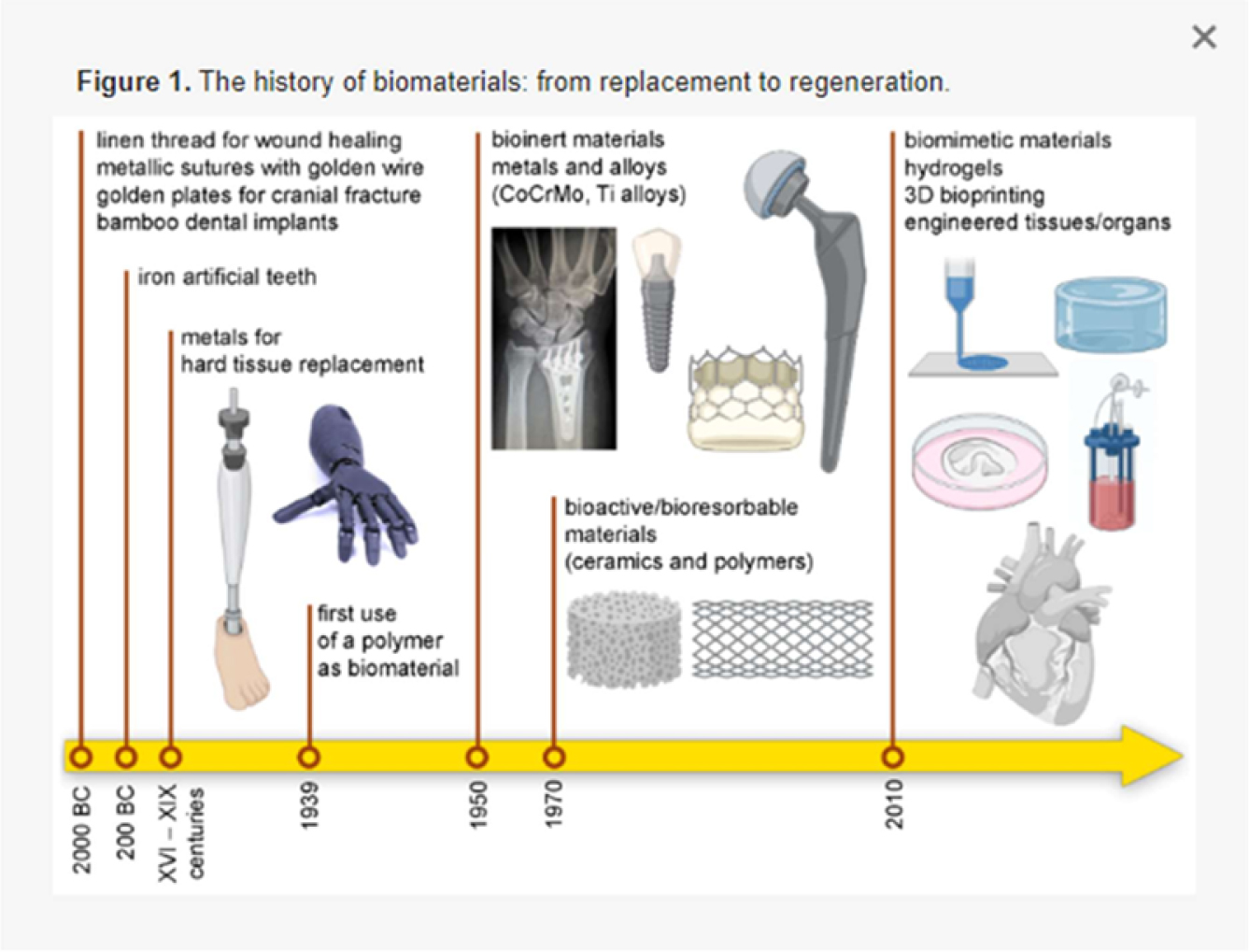
Physiotherapy, a cornerstone of modern rehabilitative healthcare, plays a vital role in promoting physical health, restoring functional mobility and improving the overall quality of life. This therapeutic discipline uses evidence-based practices, including manual therapy, exercise prescription, electrotherapy and patient education to treat a wide spectrum of conditions ranging from musculoskeletal injuries to neurological disorders. Its non-invasive and patient-centric approach makes it indispensable in both acute and chronic care settings. As lifestyles become increasingly sedentary and injury rates rise due to various factors such as sports, aging and occupational hazards, the importance of physiotherapy continues to grow. Physiotherapists assess individual needs through detailed physical examinations and tailor interventions that address pain, movement limitations and posture imbalances. Furthermore, physiotherapy plays a preventive role by enhancing strength, endurance, flexibility and coordination, ultimately reducing the risk of future injuries. Rehabilitation after surgeries or strokes, pain management for chronic conditions such as arthritis or lower back pain, and improving motor function in children with developmental delays are some of the many areas where physiotherapy demonstrates its versatility and efficacy. The integration of technological advancements such as virtual rehabilitation and tele-physiotherapy is further expanding its accessibility and impact. This chapter explores the multifaceted benefits of physiotherapy and emphasizes its contribution towards holistic health and recovery. As awareness and research in the field continue to evolve, physiotherapy remains a dynamic and essential element in the continuum of care for individuals of all ages and backgrounds. Materials in physiotherapy: from prosthetics to regeneration (Todros et al. 2021). Biomaterial use rapidly increased from the 1800s, particularly after the aseptic surgical technique was developed by Dr. Jospeh Lister in the 1860s. Today, biomaterials are used throughout the body (as shown in Figure 10.1) (Todros et al. 2021). Figure 10.1. The history of biomaterials. Biomaterials play a crucial role in physiotherapy by aiding in the healing and rehabilitation of patients with musculoskeletal injuries, neurological disorders or other physical conditions. They are integral in enhancing tissue regeneration and repair, as materials such as scaffolds, hydrogels and bioactive coatings support cell growth, tissue integration and the repair of damaged tissues, muscles, tendons, ligaments and cartilage. In addition, orthopedic implants and prosthetics made from biomaterials help replace damaged joints, bones or limbs, offering stability, mobility and pain relief, while physiotherapists work to enhance patients’ functional abilities. Biomaterials are also key in the development of wearable devices and assistive technologies, such as braces and orthotic insoles, which provide support, prevent further injury and aid in the rehabilitation process. Furthermore, biomaterials are used in drug delivery systems for rehabilitation, offering localized treatment by releasing therapeutic agents to the targeted area, enhancing healing and reducing side effects. The integration of biomaterials into treatment plans leads to improved rehabilitation outcomes, including faster recovery times, reduced complications and better functional results. Lastly, the use of biomaterials allows for personalized physiotherapy treatments, enabling patient-specific solutions for better comfort and optimized rehabilitation. Overall, biomaterials are essential in improving healing, providing support and enhancing recovery, ultimately improving the quality of life and functional independence of patients recovering from injuries, surgeries and chronic conditions. As biomaterials continue to evolve, artificial intelligence (AI) is becoming an increasingly important tool in the field, enabling enhanced design and production of customized biomaterials. AI allows for more precise modeling of material properties, better integration of materials into biological systems and the creation of more effective and personalized medical solutions (Gokcekuyu et al. 2024). For instance, AI is being used in the design of biocompatible materials, in the optimization of drug delivery systems and in predictive models to improve patient outcomes in areas such as tissue regeneration and prosthetics. The combination of biomaterial science and AI holds tremendous potential for the future of medicine, offering the possibility of even more advanced, effective and personalized treatments for patients around the world. Throughout history, the biomedical engineering approach was to completely replace tissue with lost function by simple biomaterial. As the understanding of tissues, diseases, and trauma improved, the concept of attempting to repair damaged tissues emerged. The recently developed cell-based tissue engineering approach regenerates the injured or diseased tissues with the help of artificial intelligence or biomedical engineering using biomaterials (Todros et al. 2021). Williams defined a biomaterial as “A nonviable material used in a medical device, intended to interact with biological systems.” Thus, biomaterials can be classified into two major types: It is important to have a deep knowledge about tensile and compressive testing (stress–strain curve) performed before the usage of the material to understand its strength and nature (Enderle and Bronzino 2012). The most efficient way to determine the mechanical properties of a biological tissue is to subject it to a load-deformation curve. This load can either pull them, compress them or bend them. The vast majority of those used in the biomaterial fields are from the American Society for Testing and Materials (ASTM). For example, the tensile testing of materials can be done according to Table 10.1. Table 10.1. Tensile testing of materials Tensile testing is performed by a mechanical device which uses rotating screws or hydraulics to stretch the specimen. Tensile testing of ASTM E8 is preferably done with a “dog bone”-shaped specimen whose large end is held with grips, and the narrow middle section is subjected for testing. This mid-portion is marked as “gage length” where the deformation is measured (Festas et al. 2020). Force is measured in Newtons (N), and how much deformation occurs is measured in millimeters. Since different dimensions are tested, measurements need to be normalized to be independent of the size (King and Rahimi 2024). Stress σ (N/m2 or Pascals) is calculated as the change in the length divided by the original length. A stress–strain curve, also known as a load-deformation curve, can be generated from these data; likewise, the number of material properties can be calculated. Figure 10.2. A stress–strain curve. NOTE.− An emerging discipline that uses AI to improve knowledge, prediction and assessment of materials’ mechanical properties is called “AI Assessment of Mechanical Properties and Mechanical Testing” (Kibrete et al. 2023). In order to optimize material selection, forecast performance under varied circumstances, and analyze and understand data from mechanical tests, AI techniques including machine learning (ML), neural networks and deep learning algorithms are used. In industries including biomaterials, automotive and aerospace, mechanical characteristics such as tensile strength, hardness, elasticity and fatigue resistance are essential for material performance. Conventional testing techniques, such as tensile, hardness and fatigue tests, are costly, time-consuming and frequently necessitate a thorough examination of data (Agarwal et al. 2021). Based on the composition, microstructure and processing conditions of the material, AI models – in particular, ML algorithms – can forecast mechanical properties. AI can help in “inverse design” of materials, in which the system recommends material compositions and processing parameters that are likely to produce the required mechanical qualities (Jaiswal 2024). For physiotherapists, these properties directly impact the effectiveness of rehabilitation, the long-term performance of implants and patient safety. Collaboration between materials scientists and physiotherapists is essential to create better, more effective treatment solutions for patients requiring medical implants or prosthetic devices. The main goal of mechanical testing is to ascertain how a material responds to applied forces. Automation systems powered by AI are able to gather data, manage testing equipment and evaluate outcomes instantly. This lowers the possibility of human error and guarantees reliable and effective testing (Pais et al. 2023). Without requiring physical testing, AI models can replicate mechanical tests on digital twins, or virtual prototypes. Large volumes of test data can be analyzed in real time by ML algorithms, which can then spot trends or abnormalities that human testers would miss. Based on the materials’ mechanical characteristics and performance in a range of environmental circumstances (such as temperature, humidity and corrosion), AI can assist in choosing the best materials for particular applications (Liu et al. 2024). This is particularly helpful in fields where material performance under stress and strain is crucial, such as biomedical engineering, automotive, orthotic and prosthetic manufacturing. Optimizing material designs for certain mechanical performance needs is another application of AI, by integrating economic considerations, production limitations, load-bearing specifications and material qualities. Materials used in real-world applications are continuously examined for deterioration in performance over time. Because it can anticipate problems and assist avert catastrophic catastrophes, AI is essential to structural health monitoring systems (SHM) (Zinno et al. 2022). AI can forecast when a material or structure is likely to fail or deteriorate by using sensor data and mechanical test results. Before materials are used in manufacturing, AI can examine mechanical testing data from production lines to identify quality standard violations and make sure the materials have the required mechanical qualities. High strength, fracture resistance and corrosion resistance are characteristics of metals utilized as biomaterials. Many implants along with assistive devices are made up of metals that are usually anti-corrosive and provide high strength. Usually, metals used for implants are lined with ultra-high-molecular-weight polyethylene for friction free motion. The coordinate system differs with respect to the artificial metal replacement for the normal joint surface. The good strength of the metallic device permits it to be used to fuse the bony segments (especially the vertebral bones). The metal cage can accommodate the patient’s own bone particles to assist with novel bone formation, which will eventually span and fuse the adjacent vertebral bones. The selection of material plays a vital role in the development of an implant or any orthotic or prosthetic device. This selection depends on various factors such as The longstanding use of metals for replacement is due to high mechanical strength requirements and biocompatibility. The advantage of the metals over other materials is they are strong, tough and ductile; whereas the disadvantages are susceptibility to corrosion due to their metallic bonds. The preferred metallic implant materials are alloys of titanium or cobalt-chrome for hip, knee and dental implants.
10
Physiotherapy: A Holistic Approach to Rehabilitation and Functional Wellness
10.1. Introduction
10.2. AI in biomaterials
10.3. History
10.4. Biomaterials: properties, types and applications
10.4.1. Mechanical properties and testing
Sr. No
Material
Testing
1.
Metal
ASTM E8
2.
Rubber
ASTM D412
3.
Rigid plastics
ASTM D6383


10.4.2. AI in assessment of mechanical properties and testing
10.4.2.1. Material characterization and prediction of mechanical properties
10.4.2.2. Mechanical testing
10.4.2.3. Material selection and performance prediction
10.4.2.4. Structural health monitoring and quality control
10.5. Metals
Related posts:
 The Role of Artificial Intelligence in Personalized Physiotherapy and Cancer Treatment
Model Validation Techniques for AI in Cancer Research Based on Physiotherapy and Oncology
Automating Cancer Detection and Rehabilitation: The AI Revolution
AI and Wearable Technology in Physiotherapy for Oncology Patients
The Role of Artificial Intelligence in Personalized Physiotherapy and Cancer Treatment
Model Validation Techniques for AI in Cancer Research Based on Physiotherapy and Oncology
Automating Cancer Detection and Rehabilitation: The AI Revolution
AI and Wearable Technology in Physiotherapy for Oncology Patients
 The Role of Artificial Intelligence in Modern Healthcare: Transforming Diagnosis, Treatment and Rehabilitation
 Advancements and Applications of Physiotherapy in Rehabilitation and Pain Management

Stay updated, free articles. Join our Telegram channel

Full access? Get Clinical Tree


