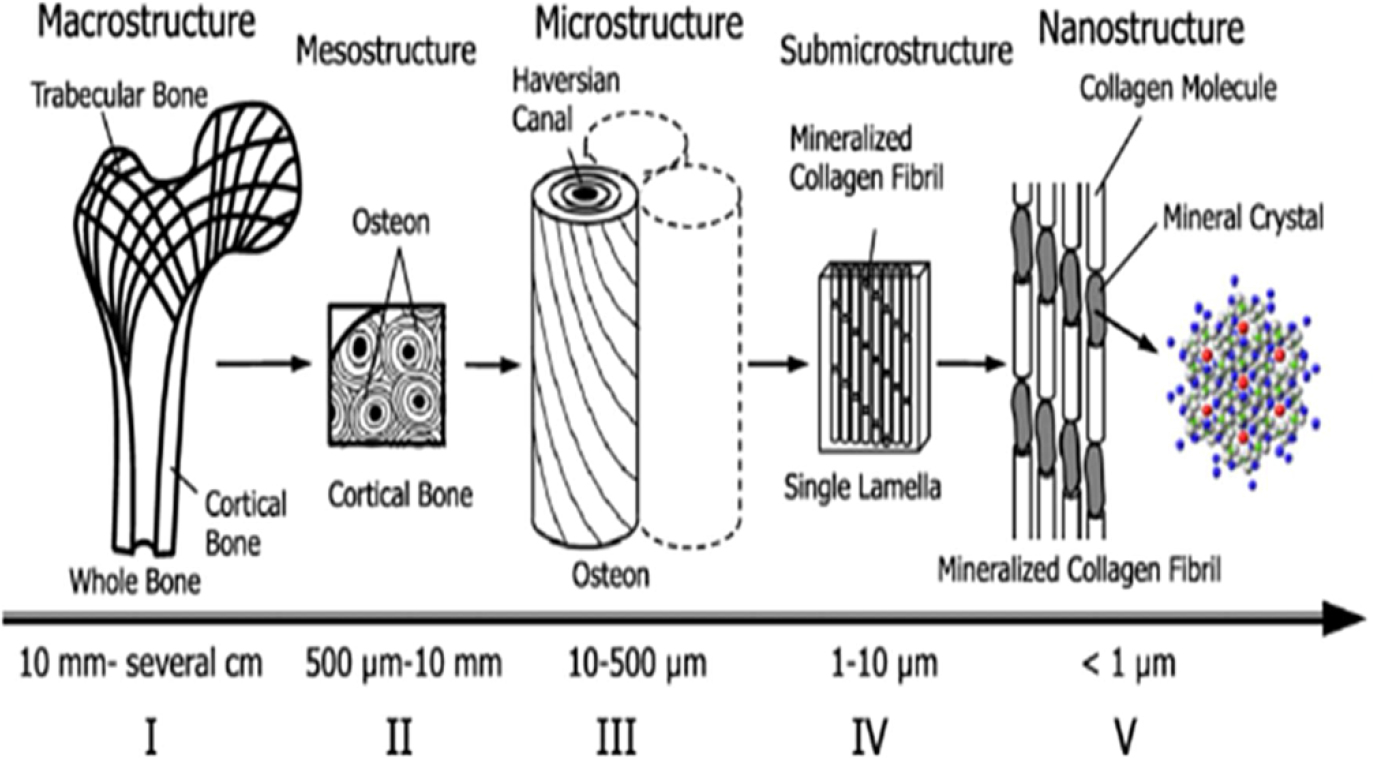
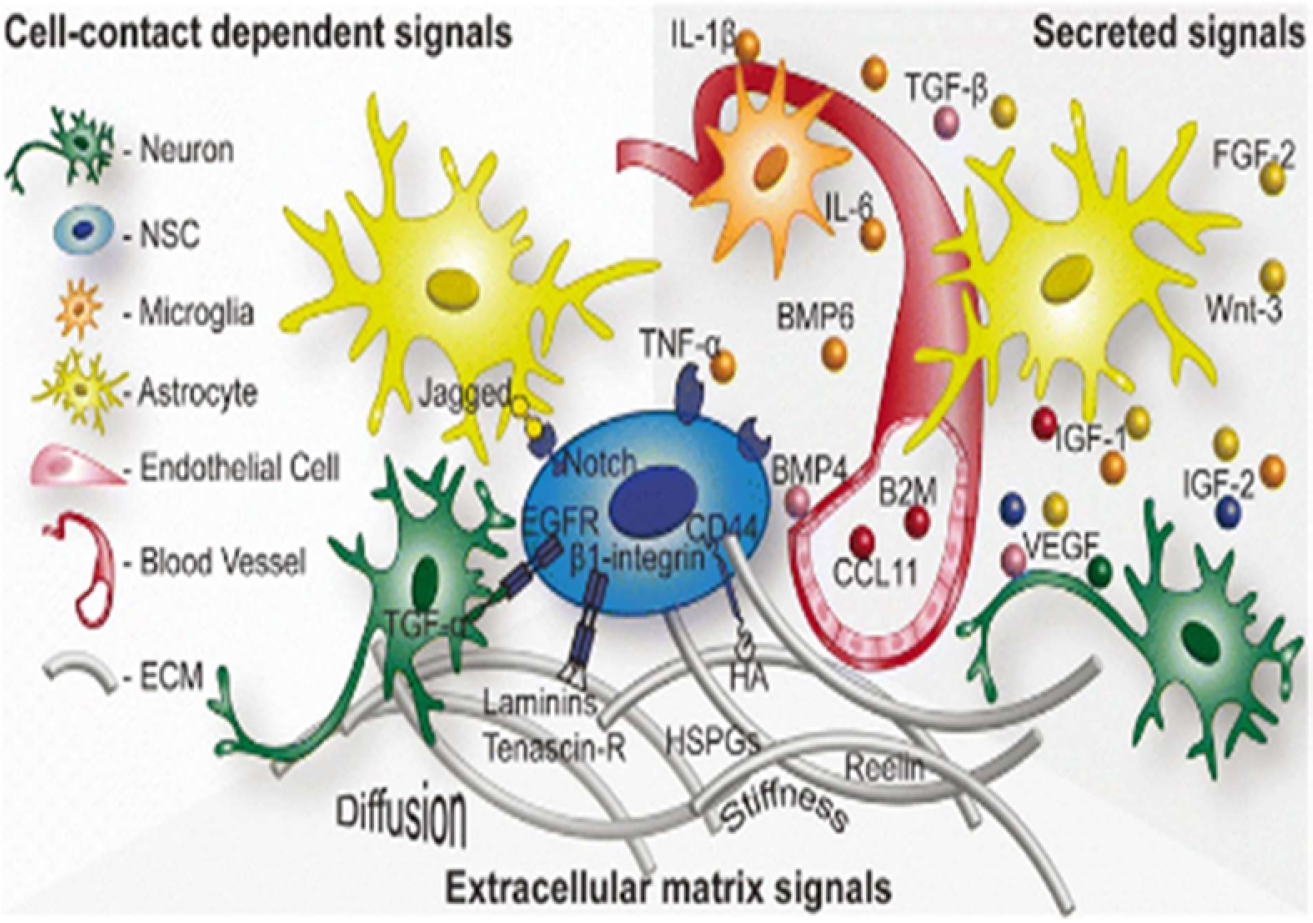
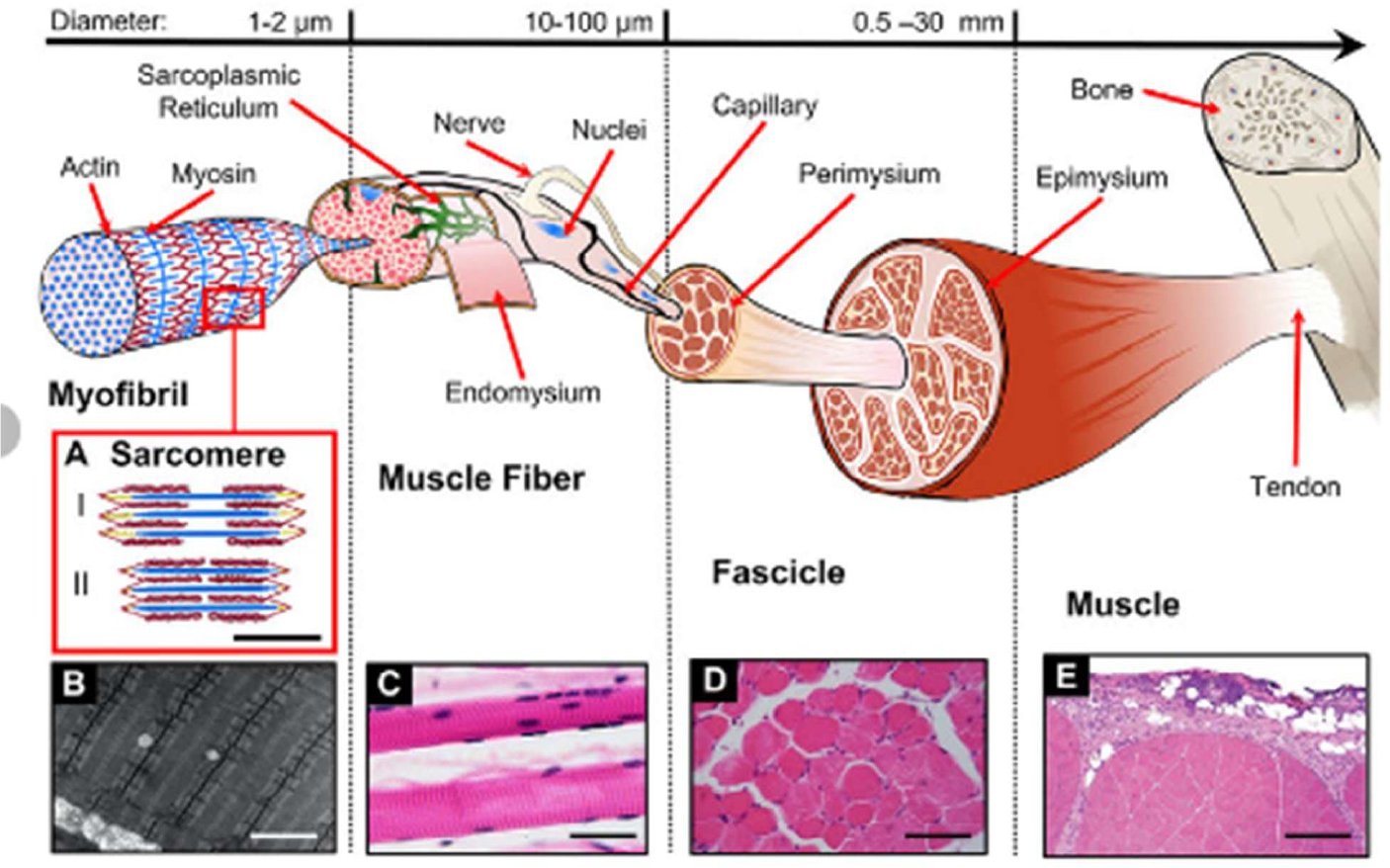
Physiotherapy plays a pivotal role in the prevention, treatment and rehabilitation of a wide range of musculoskeletal and neurological conditions. This chapter explores the diverse techniques and therapeutic approaches used by physiotherapists to restore movement, improve functional independence and reduce pain in patients. Emphasizing a holistic approach, physiotherapy combines manual therapy, exercise prescription, electrotherapy and patient education to tailor individualized treatment plans. The integration of evidence-based practices has significantly enhanced treatment outcomes, especially in patients recovering from stroke, spinal cord injuries, fractures, arthritis and sports-related injuries. The study underlines the importance of early intervention and consistent rehabilitation in optimizing recovery and minimizing long-term disability. Physiotherapists assess patient needs based on a detailed physical examination, diagnostic imaging and functional testing to develop customized plans targeting strength, flexibility, balance and coordination. In addition, the psychological benefits of physiotherapy – such as improved confidence, reduced anxiety and enhanced quality of life – are also emphasized. Special attention is given to interdisciplinary collaboration, where physiotherapists work alongside physicians, occupational therapists and speech therapists to ensure comprehensive care. Moreover, technological advancements such as virtual rehabilitation, wearable sensors and robotic-assisted therapy are reshaping the future of physiotherapy by increasing accessibility and precision. Ultimately, this chapter underscores physiotherapy as a critical component in modern healthcare for promoting mobility, functional independence and overall well-being. Biomedical devices are designed with the intention to repair, monitor or assist the function of human body. Biomimetics is an approach that mimics the nature’s techniques and is often an important function or science behind a good biomedical device or therapy (Enderle and Bronzino 2012). The accurate function of every joint and muscle becomes difficult to mimic, as, for example, the glides and rolls of the joint around the instant point of rotation vary at every degree of flexion. For example, the knee flexion is defined with tibial lateral rotation and anterior gliding over the femur in an open kinematic chain, whereas it is still difficult to define the degree of rotation of the tibia at 10 degrees of knee flexion along with the quantity of posterior glide and differentiate it from 45 degrees of knee flexion in constant motion of knee flexion (Schleip et al. 2021). Thus, the structural studies have produced a number of broad notions that serve as the foundation for the creation of the ideal gadget as follows: Natural tissue plan is hierarchical, i.e. structure with structure (myofibril with fascicle). This structure is repeated several numbers of times to build a tissue such as muscle, bone or organ. These fundamental ideas in structural and developmental biology have given rise to biomimetic paradigms, which offer a rotating starting point for the creation of biomaterials, particularly for medical devices that use regenerating tissue. Figure 14.1 represents the hierarchy of cortical bone structure (Tadano and Giri 2012). Figure 14.1. Hierarchical structure of cortical bone Organs do not form directly by itself. Just like how metals are formed by atoms, each organ is made up of by their respective cells. Types of cells forming basic human body organs are given in Table 14.1. Table 14.1. Types of cells forming basic human body organs A key design strategy of human body is to differentiate into a number of tissue cell types in order to either generate or regenerate the damaged tissues. Stem cells differentiate into precise types in retort to contact from neighboring cells and their chemical and physical environment and by mechanical forces transmitted by their support matrix (Enderle and Bronzino 2012; Tadano and Giri 2012). Cells not only manufacture the tissue constituents but also maintain the tissue and adapt the tissue structure to the changed environments, including mechanical load environments. For example, sarcomerogenesis occurs post high-load exercises, leading to hypertrophy (Kim et al. 2020). Physiotherapy plays a crucial role in tissue healing and regeneration, as it involves the understanding and manipulation of several key biological processes. Cell-cell signaling is essential for tissue assembly, where molecules such as cytokines and chemokines regulate cellular interactions, promoting cellular multiplication, differentiation and migration. These signals, along with various cell junctions, provide structural integrity to tissues, allowing for proper transport of fluids, ions and proteins, such as the action of the sodium–potassium channel in the neuro-muscular junction (NMJ). The development of the NMJ is influenced by agrin, a signaling factor that triggers synaptic differentiation. Apoptosis, or programmed cell death, is an essential process for tissue growth and morphogenesis, allowing unwanted or excess cells to be removed. Similarly, necrosis refers to abnormal cell death caused by trauma or toxins, often leading to the release of harmful proteins and ECM into the environment. Physiotherapists also focus on promoting angiogenesis, the formation of new blood vessels, which is critical for tissue repair and regeneration. In addition, neurogenesis, the regeneration of nervous tissue, is a key process in neurological rehabilitation (Chen et al. 2020). Understanding and harnessing these processes through physiotherapy allow for more effective treatments that aid in tissue repair, regeneration and functional recovery. It is a scaffold that connects all cells both physically and mechanically. Cells attach to extra-cellular matrix via a specific cell surface receptors that govern proliferation, differentiation and protein expansion. This interaction of cell with extra-cellular matrix plays a major role during tissue regeneration. Thus, extra-cellular matrix plays a vital role in proving a physical and chemical support for the cell structure. ECM houses various proteins responsible for cell functioning (Enderle and Bronzino 2012). Hierarchical design There are usually multiple layers of a tissue, together forming a single unit in which opening of one layer, another small one can be found inside. This is known as hierarchical design. The same structural motifs are repeated multiple number times on the length scale and endow the tissue with efficiency of assembly, properties and function. This is the microarchitectural arrangement of layers of the tissue forming a single tissue (Tadano and Giri 2012; Schleip et al. 2021; Mureed et al. 2024). Figure 14.2. Microarchitectural arrangement of layers of the tissue forming a single tissue. Example for hierarchical structure of muscle is represented in Figure 14.3 (Abou-Ghali and Stiban 2015). Figure 14.3. Hierarchical structure of muscle. Tissue regeneration is a crucial aspect of recovery in physiotherapy as it plays a key role in healing damaged tissues and restoring function. When tissues such as muscles, ligaments, tendons and cartilage are injured, the body initiates a natural healing process. However, this process can be slow, incomplete or compromised in certain conditions, necessitating therapeutic interventions. Physiotherapy aids in promoting and accelerating tissue regeneration through various techniques such as manual therapy, exercise, modalities (e.g. heat, cold, ultrasound, etc.) and electrotherapy. The importance of tissue regeneration in physiotherapy includes (Ninneman et al. 2024; Pramanik 2024):
14
The Role of Physiotherapy in Enhancing Functional Recovery in Musculoskeletal and Neurological Conditions
14.1. Introduction
14.1.1. Natural tissue construction
14.1.2. Natural tissue design
14.2. Hierarchical structure of cortical bone (Tadano and Giri 2012)
14.2.1. Cells build natural tissues
Cells
Organs
Myoblasts
Muscles
Osteoblasts
Bone-forming cells
Osteoclasts
Bone resorption
Neurons
Responsible for nerve function
Fibroblasts
Maintain structural integrity of fascia
Chondrocytes
Responsible for cartilage generation
14.2.2. The ECM: nature’s biomaterial scaffold
14.2.3. The importance of tissue regeneration in physiotherapy
Related posts:
 The Role of Artificial Intelligence in Personalized Physiotherapy and Cancer Treatment
Model Validation Techniques for AI in Cancer Research Based on Physiotherapy and Oncology
Machine Learning in Oncology and Physiotherapy: A New Era of Precision Medicine
Automating Cancer Detection and Rehabilitation: The AI Revolution
AI and Wearable Technology in Physiotherapy for Oncology Patients
Smart Robotics in Physiotherapy and Oncology: Redefining Patient Outcomes
The Role of Artificial Intelligence in Personalized Physiotherapy and Cancer Treatment
Model Validation Techniques for AI in Cancer Research Based on Physiotherapy and Oncology
Machine Learning in Oncology and Physiotherapy: A New Era of Precision Medicine
Automating Cancer Detection and Rehabilitation: The AI Revolution
AI and Wearable Technology in Physiotherapy for Oncology Patients
Smart Robotics in Physiotherapy and Oncology: Redefining Patient Outcomes

Stay updated, free articles. Join our Telegram channel

Full access? Get Clinical Tree


