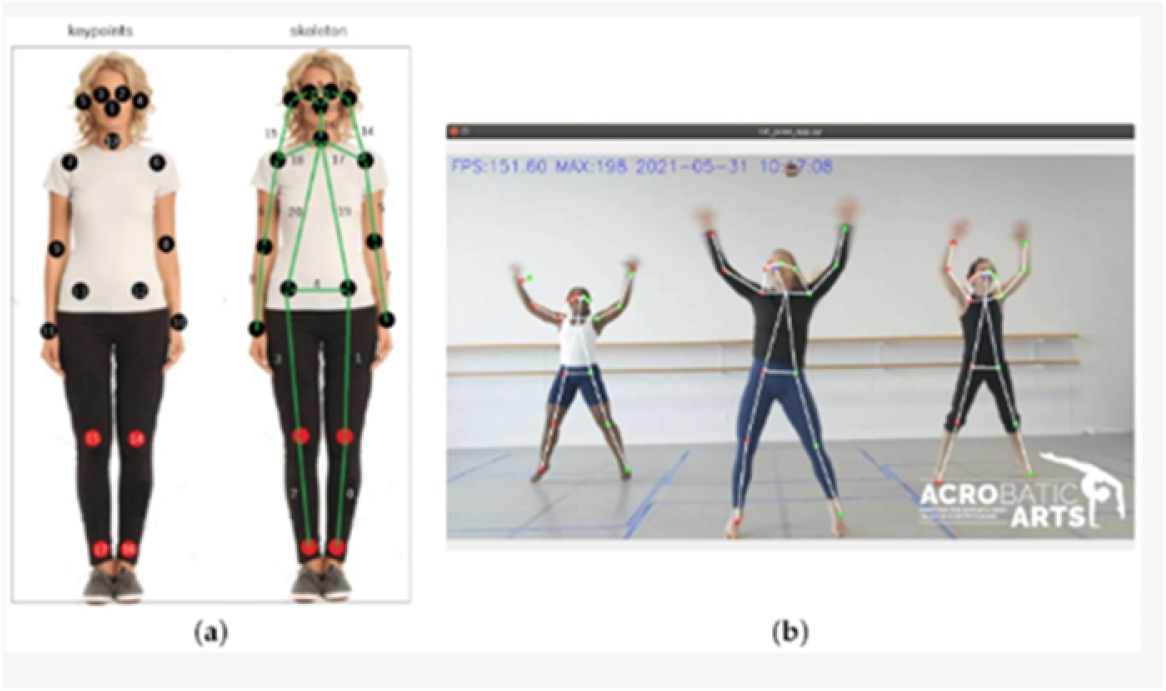
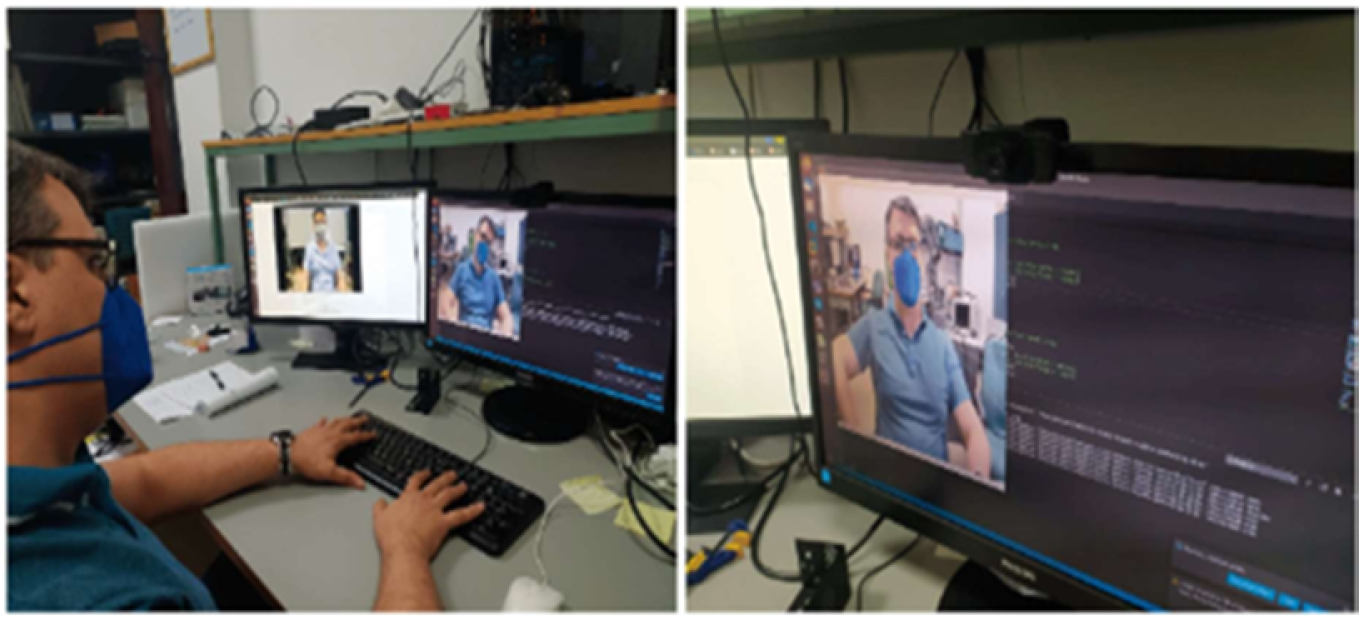
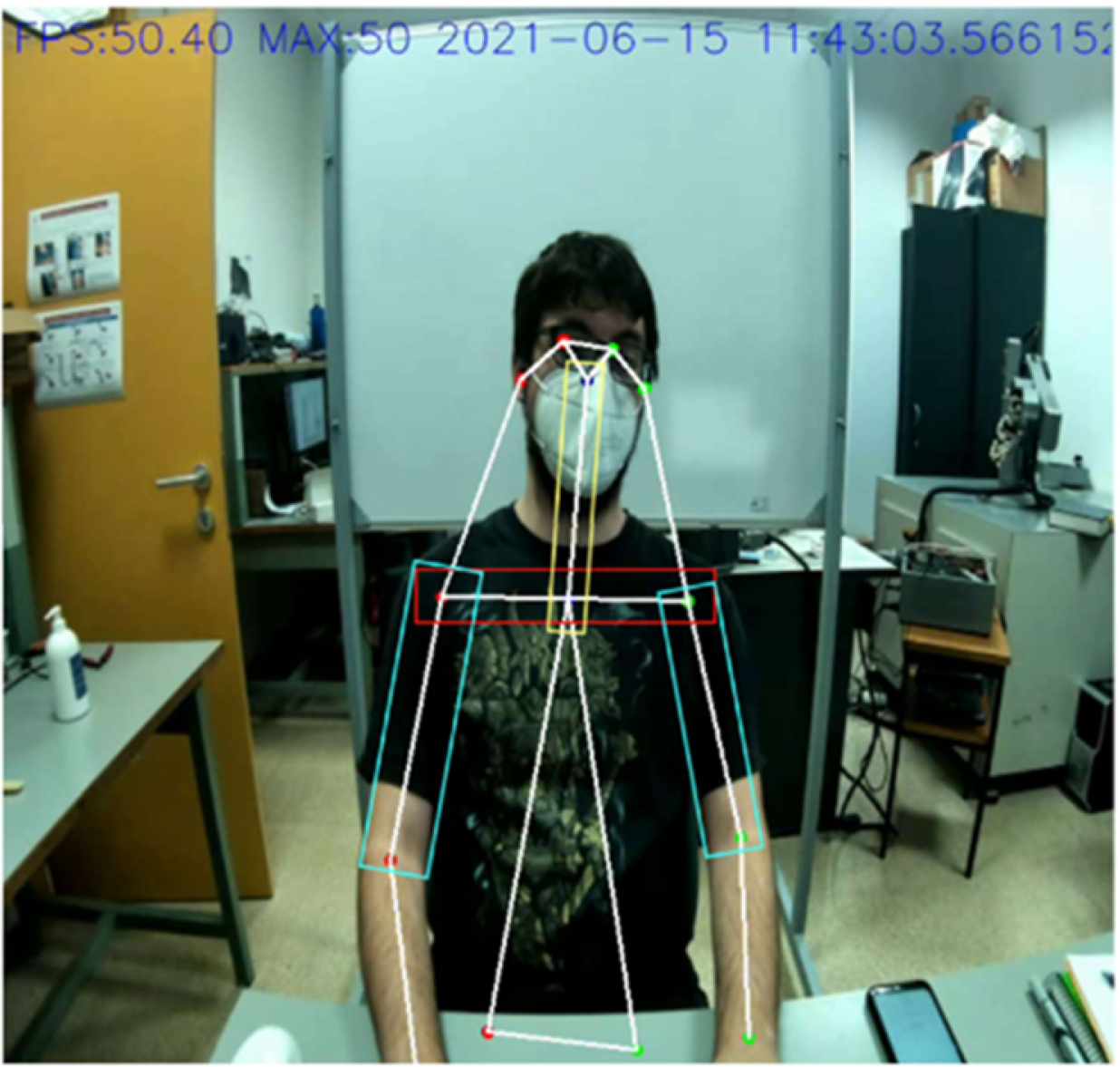
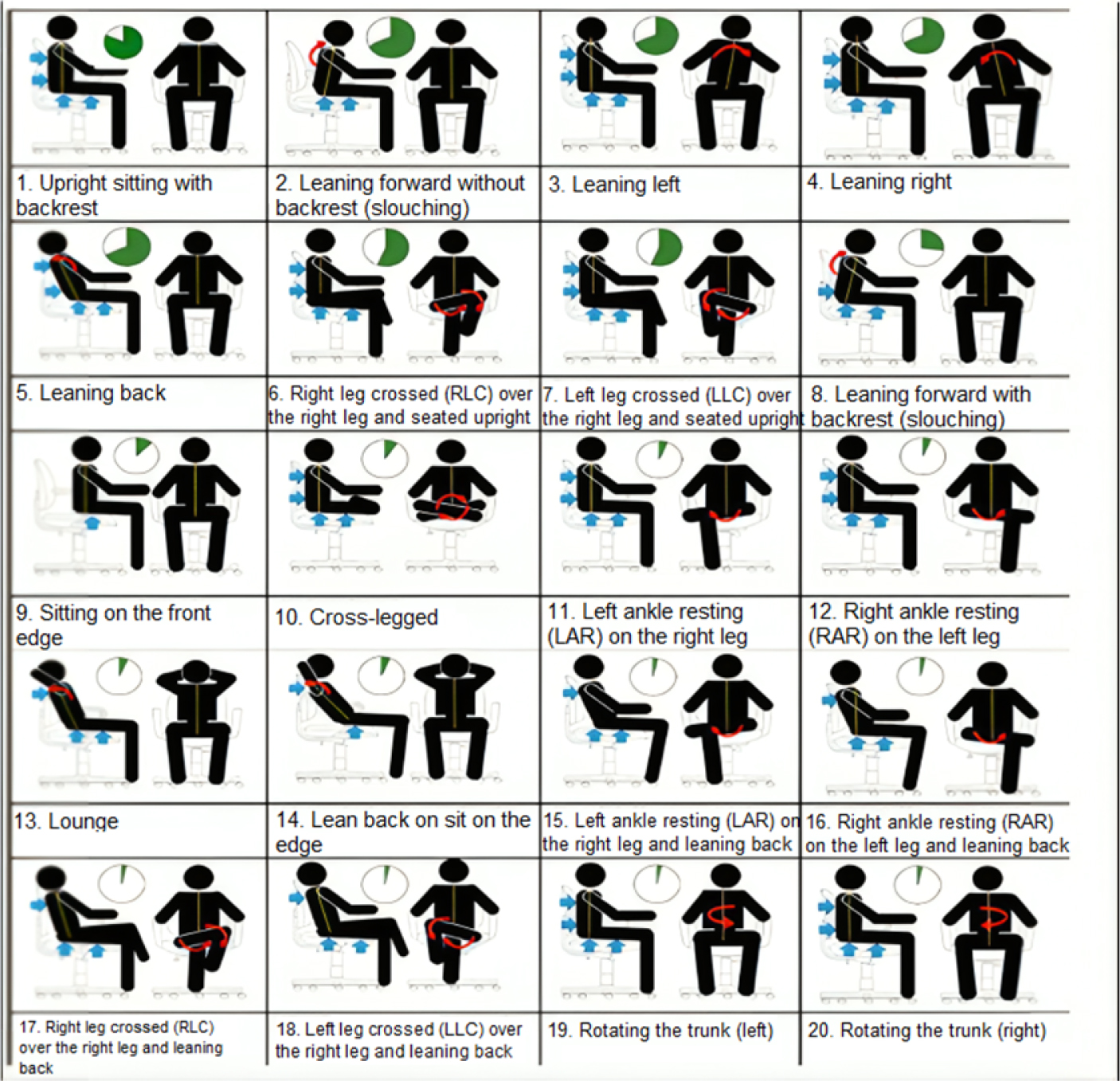
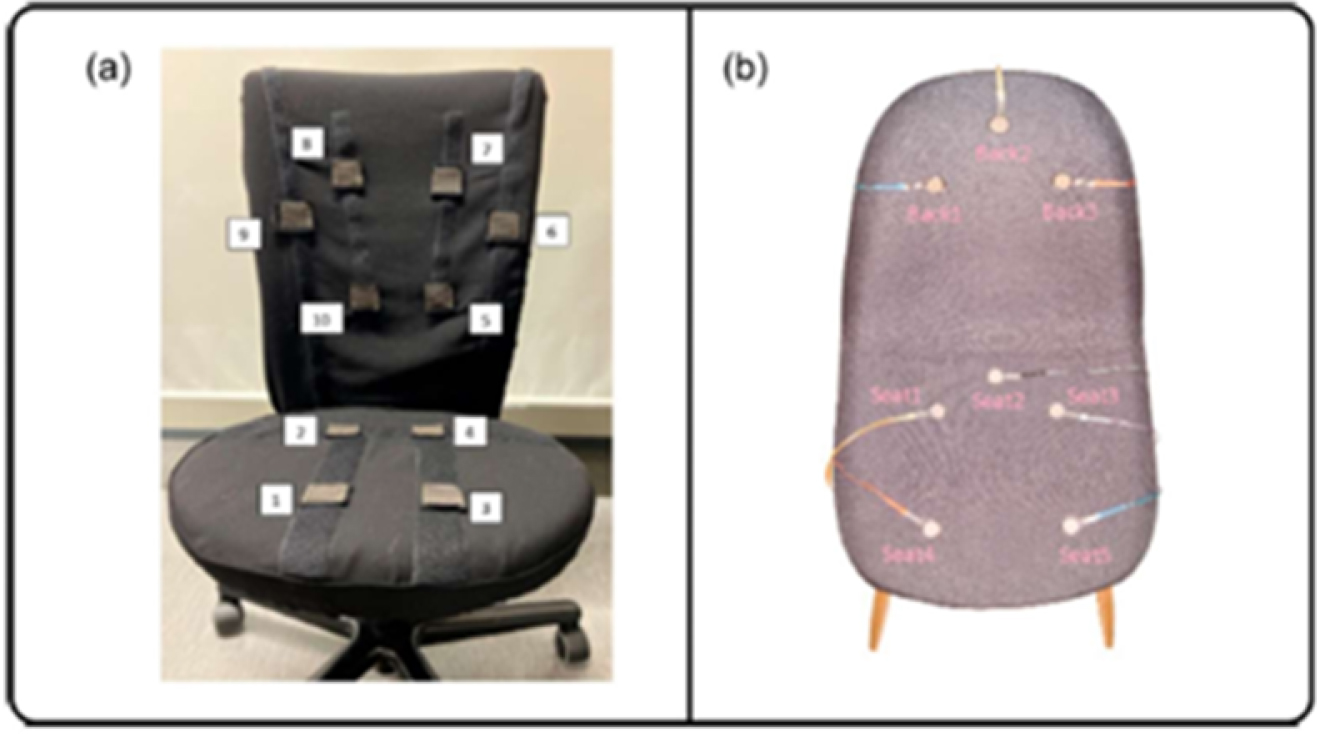
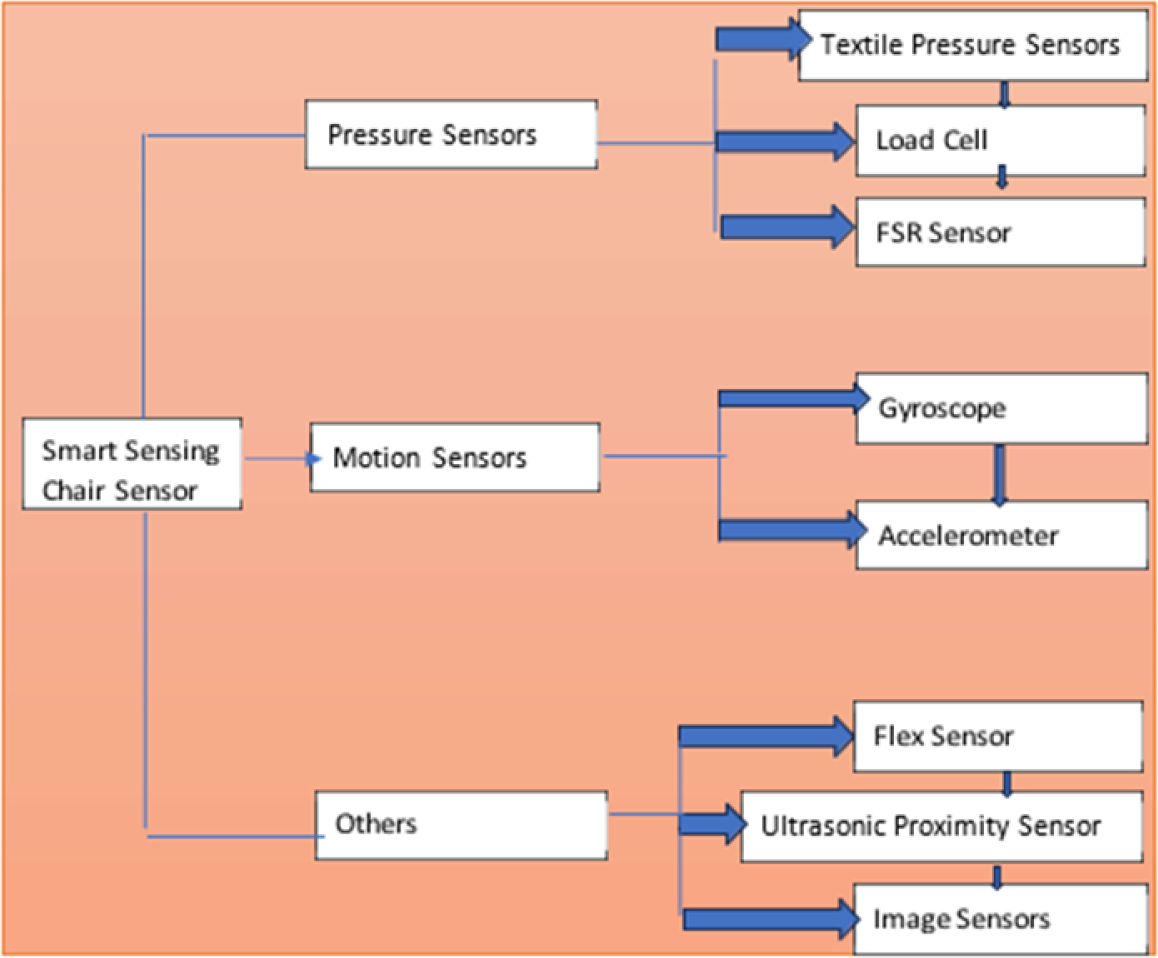
This chapter comprehensively explores the concept of posture, its significance in musculoskeletal health and the technological advancements used to detect and monitor it. Central to the discussion is the McKenzie method, a widely adopted physiotherapeutic approach that classifies posture-related musculoskeletal disorders into postural, dysfunction and derangement syndromes. The chapter then transitions into posture detection systems, highlighting how sensor-based wearable devices and vision-based tools use real-time data to assess posture deviations and provide corrective feedback. Deep learning algorithms, such as convolutional neural networks (CNNs), and machine learning (ML) models play a pivotal role in identifying skeletal misalignments and suggesting ergonomic interventions. The integration of artificial intelligence (AI) in smart systems – particularly smart chairs – is emphasized for their ability to autonomously detect poor posture, recommend corrections and monitor health parameters such as heart rate and muscle tension. The chapter also details the applications of force plates in balance and gait assessment, discussing how AI enhances data interpretation, predictive modeling and feedback mechanisms. Through a literature review, the chapter presents evidence supporting the effectiveness of posture detectors and force plates in rehabilitation, sports performance and injury prevention. The AI-driven analysis of kinetic and kinematic data empowers clinicians and therapists to design personalized, data-informed rehabilitation protocols. Overall, the integration of posture detection systems with AI offers a transformative approach in promoting musculoskeletal health, workplace ergonomics and neurological rehabilitation. Posture is commonly defined as a position that an individual adopts while performing any functional activities such as walking, sitting, standing, sleeping or at rest. The term postural hygiene is the set of rules that aims to maintain the correct body position, either in static or in dynamic position around the head–spine–pelvis axis with total weight distributed equally on both feet (Conroy et al. 2022). Poor posture resembles the opposite sense, for example, unequal distribution of weight, the head–spine–pelvis axis is not straight or is tilted and is not aligned (Rybski and Juckett 2024). The McKenzie method, developed by physiotherapist Robin McKenzie in the 1960s, is a comprehensive approach for diagnosing and treating musculoskeletal conditions, particularly those related to the spine. One of the core concepts of the McKenzie method is posture and its significant impact on spinal health. McKenzie emphasized that poor posture, often due to prolonged sitting, improper alignment or repetitive strain, can lead to spinal dysfunction, pain and discomfort. He introduced the idea of centralization, where movement of the spine or extremities is used to reduce pain and promote healing by shifting discomfort from peripheral areas (such as the limbs) back towards the center of the body, where it can be more effectively managed. The McKenzie approach advocates self-treatment, empowering patients to learn correct postural alignment and perform exercises designed to reduce pain, improve mobility and strengthen the muscles surrounding the spine. By focusing on posture and spinal alignment, the McKenzie method aims to not only relieve pain but also to prevent recurrence and improve overall functionality. The McKenzie method classifies musculoskeletal disorders primarily into three syndromes: postural syndrome, dysfunction syndrome and derangement syndrome. These classifications are based on the patterns of symptoms, the mechanisms causing them and the appropriate treatment approaches. Thus, postural syndrome is easier to manage and treat compared to derangement syndrome, making early intervention for poor posture highly beneficial in preventing the development of more serious spinal conditions (Chan et al. 2021). A posture detector is a device that detects human posture either in static or dynamic movement. This machine is composed of several sensor components, for example, wearable cameras, joint position sensors, angle sensors and tilt sensors. These sensors can be placed on various surface landmarks of the human body. It can be noted if there is movement or an abnormal position by the computer reading against a software created grid. The software within the computer detects the stable or moving sensor and forms a picture of only sensors. These sensors can be either left individual to assess each joint and its motion or can be connected with lines to assess the coordinated movement pattern of the human body. Below is one such image to show the representation of the behind-the-lab posture assessment and the in-software sensor attachment with lines (Piñero-Fuentes et al. 2021). There have been many devices made to assess change in posture and give feedback to the wearer. These devices usually have angle sensors which detect the sense of change in angle from set neutral position to either increasing or decreasing. The use of machine learning (ML) and deep learning techniques has become vital (Piñero-Fuentes et al. 2021). The recently developed deep learning-based processing techniques process the position of various joints with convolutional neural networks (CNN) to approximate the posture and detect if any changes are sensed. This work is feasible for skeletal detection and tracking systems, aiming for proper posture guidance. Thus, posture detectors are beneficial in avoiding or preventing the musculoskeletal disorders caused by poor posture (Piñero-Fuentes et al. 2021). Figure 15.1. Posture detector Posture detectors are beneficial for various applications: identifying musculoskeletal disorders caused by prolonged static loading on intervertebral discs; aiding muscle rehabilitation for patients with motor dysfunction; and promoting workplace safety by preventing injury through posture monitoring in factories and offices. They are also useful for the treatment, prevention and monitoring of spinal disorders, such as scoliosis, where irregular posture leads to misalignment in the shoulders, waist and hips, and kyphosis, which causes a rounded or stooped back. These detectors use wearable technology to collect movement and posture data, as well as vision cameras to monitor multiple individuals simultaneously. However, sensor-based posture detectors are contraindicated for people with metal implants, open wounds, ulcers or burns, as these can distort sensor readings and affect data accuracy (Nascimento et al. 2020; Piñero-Fuentes et al. 2021; Huang et al. 2023). Figure 15.2. Real time posture detection Figure 15.3. Posture recognition Posture detectors can be considered to be part of artificial intelligence (AI), particularly when it involves ML and computer vision techniques to analyze and interpret human body posture. Smart sensing chairs were first explored by Tan et al. in 2001, integrating sensors into the seating surface and backrest. The sensors embedded in the chair give real-time monitoring of posture, thus demonstrating a noncontact assessment of the sitting posture. Tan et al. (2001), being the first explorers of the smart sensing chair, developed the sitting posture classification system (Odesola et al. 2024). The authors of the review studied 39 relevant papers according to the inclusion criteria. Figure 15.4. Smart sensing chairs Figure 15.5. The chair Figure 15.6. Sensors used in smart sensing chairs Table 15.1. Sensors and their description A number of sensors are organized in a network, which affect the ability to detect a signal source, the distance between the sensor and the signal source, and the signal-to-noise ratio. Various sensors are organized as follows, as evidenced by various authors.
15
AI-driven Innovations in Physiotherapy and Oncology: Advancing Postural Assessment, Rehabilitation and Patient-centered Care
15.1. Posture detector
15.1.1. Introduction of posture
15.1.1.1. Postural syndrome
15.1.1.2. Dysfunction syndrome
15.1.1.3. Derangement syndrome
15.1.2. Introduction to posture detectors
15.1.3. Working principle
15.1.4. AI integration in posture detectors
15.1.4.1. How posture detection uses AI
15.1.5. Smart chairs
Sr. No
Sensor
Description
Pressure sensor
1.
Textile pressure sensor
Composed of soft fabric-based material consisting of a conductive thread pattern placed over a dielectric material serving as a substrate between threads.
2.
Load cell
This is another type of force sensor. It works by altering applied power-driven forces into a measurable digital signal which can be read by microcontrollers. Examples of load cells include strain gauges, piezoelectric, hydraulic and capacitive load cells.
3.
Force sensing/sensitive sensor (FSR)
Commonly used to measure the forces and physical pressure applied to its surface. The sensor varies its output resistance in response to the pressure executed on it. It is composed of a conductive polymer-based material which is integrated between two metal electrodes.
Motion sensors
1.
Accelerometer
Described in detail in Chapter 14
2.
Gyroscope
Other
1.
Flex sensor
Also known as a bend sensor, it measures the degree of displacement resulting from the bending action being applied over it. It is composed of a flexible composite material which has a conductive ink material that changes in resistance as the sensor bends.
2.
Ultrasonic proximity sensor
Described in detail in Chapter 14.
3.
Image sensor
These are cameras and 3D image sensors, often cohesive with computer vision algorithms which identify visual elements from images and videos, thus helping to classify posture easily.
15.1.5.1. Dense sensor configuration
Related posts:
 AI-driven Imaging in Oncology and Physiotherapy: A Game-changer in Diagnostics
AI-enhanced Virtual Rehabilitation: The Future of Cancer Recovery
Integrating AI with Physiotherapy to Improve Quality of Life for Cancer Patients
Personalized AI-based Exercise Therapy for Oncology and Physiotherapy Patients
AI-driven Motion Analysis for Physiotherapy in Cancer Survivors
AI-driven Imaging in Oncology and Physiotherapy: A Game-changer in Diagnostics
AI-enhanced Virtual Rehabilitation: The Future of Cancer Recovery
Integrating AI with Physiotherapy to Improve Quality of Life for Cancer Patients
Personalized AI-based Exercise Therapy for Oncology and Physiotherapy Patients
AI-driven Motion Analysis for Physiotherapy in Cancer Survivors
 AI-driven Innovations in Biomaterial-based Physiotherapy and Oncology: Personalizing Patient Care Through Intelligent Monitoring and Predictive Rehabilitation

Stay updated, free articles. Join our Telegram channel

Full access? Get Clinical Tree


